
Start with what a tenant actually sees
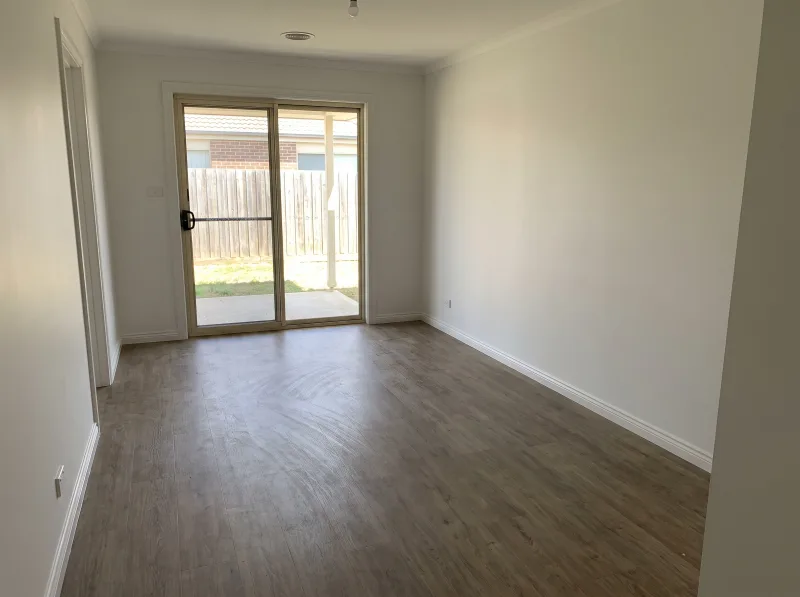
Prospective tenants notice the entry, the main living area, the kitchen and the bathroom. They do not scrutinise the back of a built-in wardrobe.
A property that shows well has clean, unmarked walls where people look and walk. That is a very different job from repainting every room.
Touch-ups versus a full coat
Touch-ups work when the paint is reasonably recent, you have the original colour, and the damage is concentrated in specific spots — scuffs, picture hooks, a few knocks.
A full coat makes sense when the paint is old enough that a touch-up will flash against it, when one wall is comprehensively marked, or when the colour is dated enough to be costing you interest from applicants.
The honest test is whether a touch-up will be invisible. If it will not be, you are paying twice — once for the touch-up and again for the repaint you end up doing anyway.
Fair wear and tear
Scuffing along a hallway after a three year tenancy is wear. A hole punched in a door is damage. That distinction matters for what you can claim, and it is worth photographing both the before and the repair.
Keep the invoices and the photos together — it makes the bond conversation considerably simpler.
Keeping the turnaround short
Every vacant day costs more than the paint does. Book the work off the vacate photos rather than waiting for a site visit, and get it scheduled before the property is empty if you can.
Painting is also far faster in an empty property, so the window between tenants is genuinely the cheapest time to do it.
Keep a record of the colours
The single most useful thing a landlord can do is write down the paint colours and sheen levels for each property and keep them somewhere findable.
It turns every future touch-up from a colour-matching exercise into a quick job, and it is the difference between a repair that disappears and one that shows.